
General Waste Skips Explained: What You Can and Can’t Put Inside
When managing a project—whether a home renovation, a garden clear-out, or a large-scale construction job—waste disposal often becomes a significant consideration. Hiring a skip is one of the most efficient, cost-effective, and environmentally responsible ways to handle large volumes of rubbish. Among the various types available, the General Waste Skip stands out as the most versatile and widely used option.
Understanding What a General Waste Skip Is
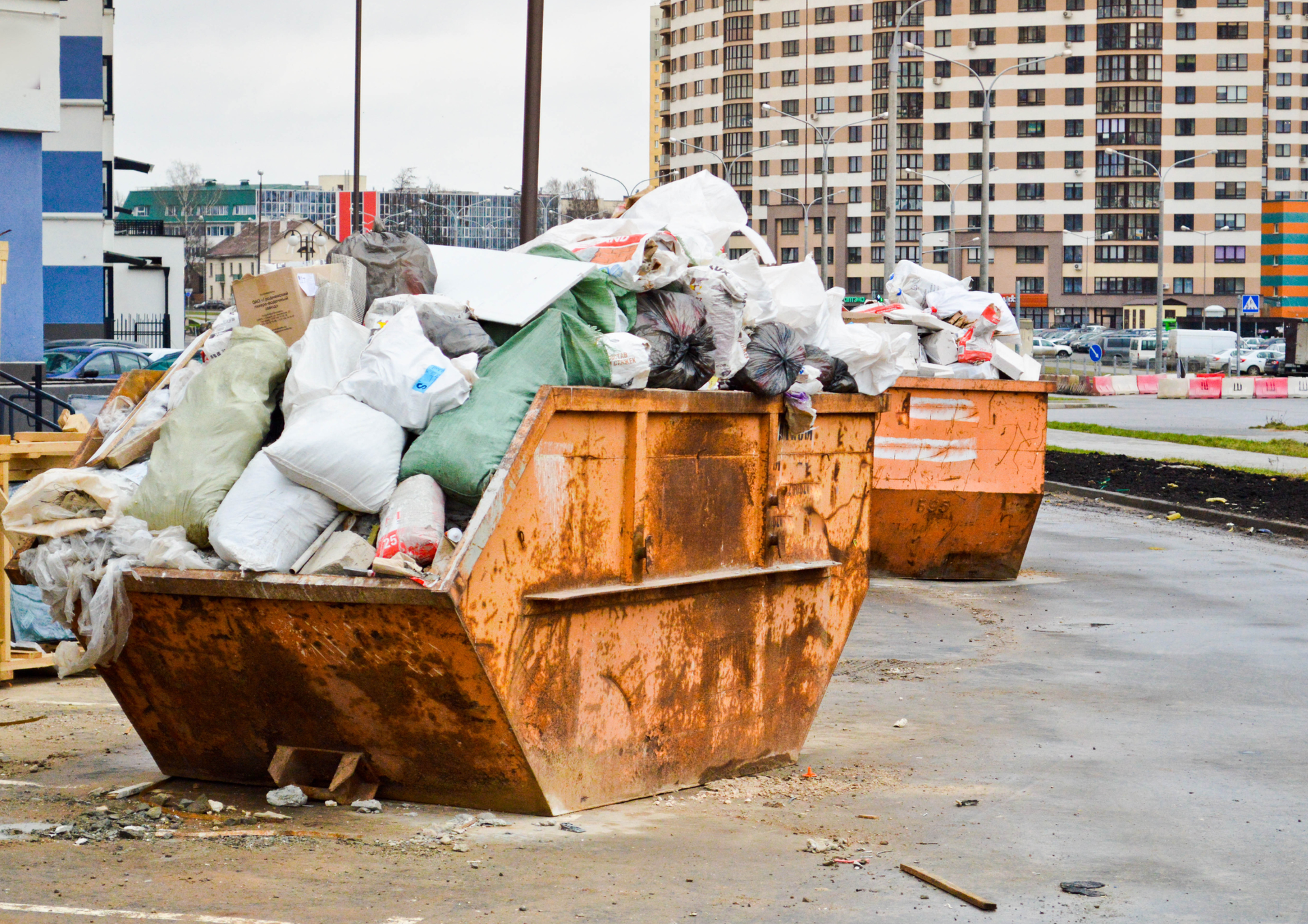
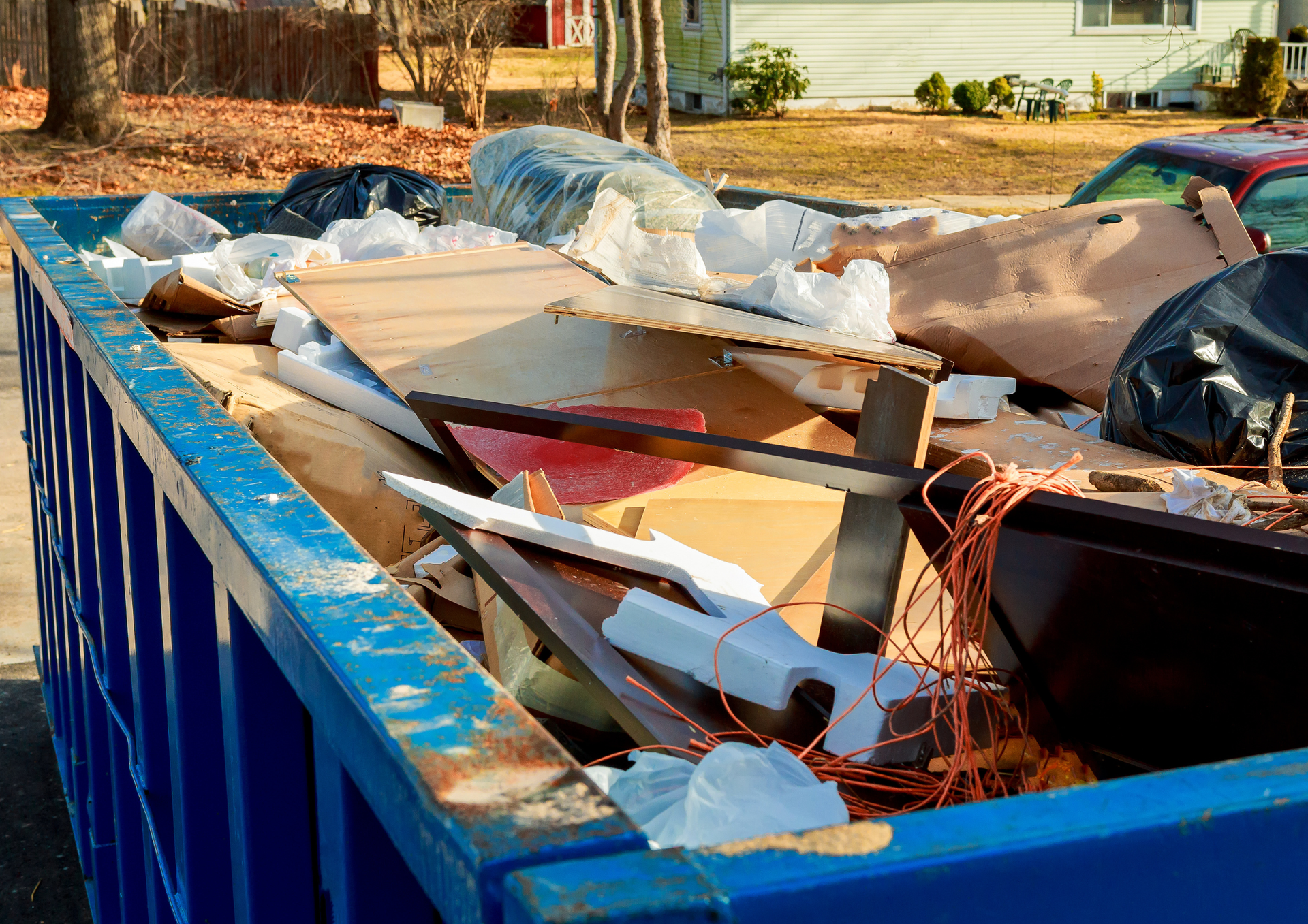
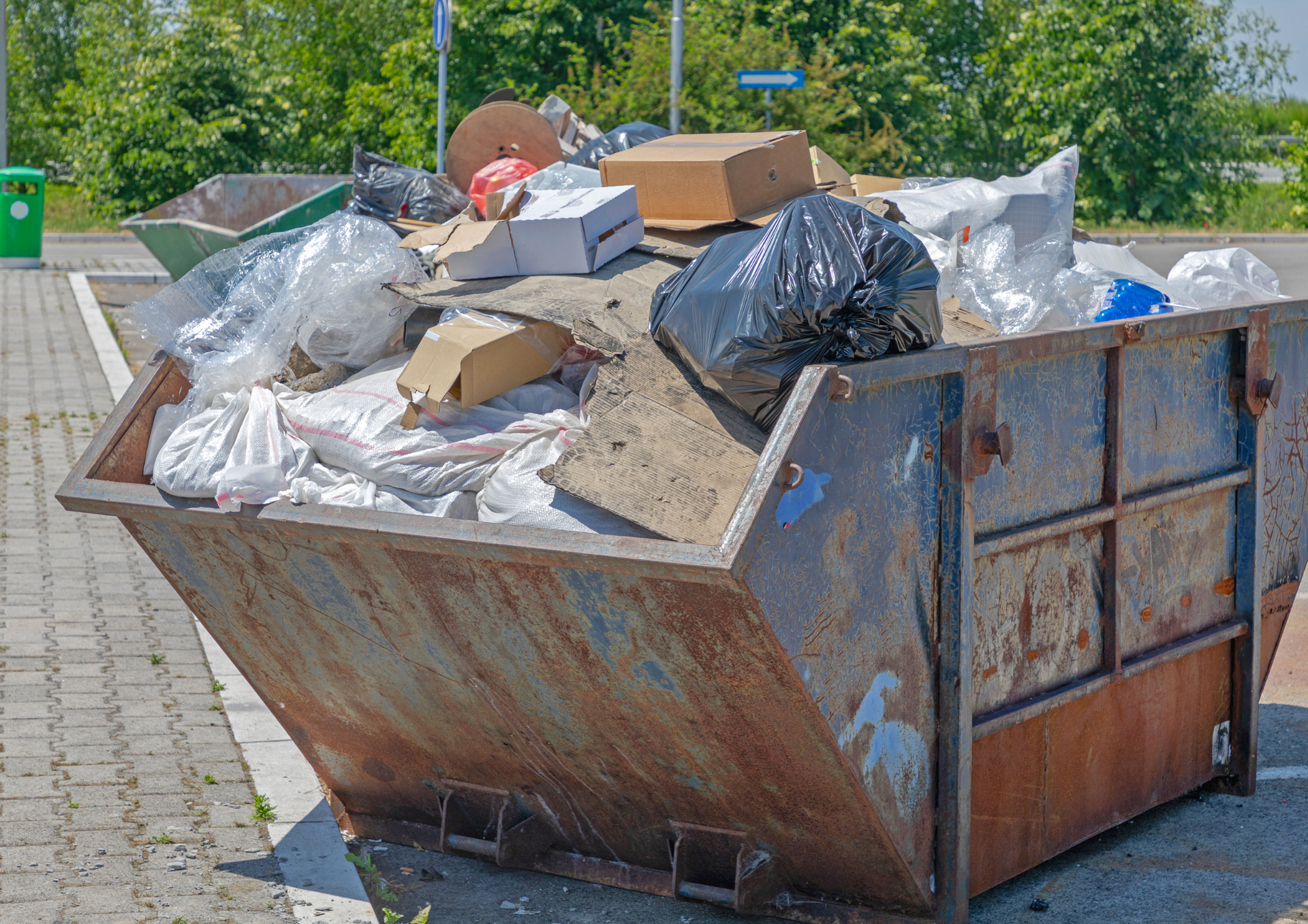
A General Waste Skip is designed to hold non-hazardous waste materials produced from domestic, commercial, and light construction activities. Think of it as an all-purpose container for everyday rubbish that doesn’t require special handling or disposal methods.
These skips are commonly used by homeowners tackling spring cleaning, businesses relocating offices, event organisers managing post-event clean-ups, and tradespeople working on renovations or small-scale building projects. The flexibility they offer makes them suitable for a wide range of waste streams, ensuring your project area remains tidy, compliant, and efficient.
Typically available in various sizes—from mini skips for minor clean-ups to large builder’s skips for construction waste—they’re collected and replaced by professional skip providers, ensuring your waste is disposed of responsibly and in accordance with local environmental regulations. This service offers not only convenience but also peace of mind, as licensed operators ensure recyclable materials are separated and processed appropriately.
What You Can and Can’t Put in a General Waste Skip
Knowing what can go into a general waste skip helps prevent issues during collection and ensures compliance with waste regulations. You can dispose of household waste like packaging, broken furniture, and plastics; office waste such as old files, desks, and chairs; construction debris like wood, plasterboard, and non-contaminated rubble; garden waste including branches and small amounts of soil; and miscellaneous materials such as light metals, textiles, and cardboard.
However, avoid placing electrical items, asbestos, chemicals, paints, tyres, gas cylinders, batteries, medical waste, or liquids like oils and fuels in your skip. These require specialist disposal and may lead to fines or rejected collections. When unsure, check with your skip provider—responsible waste segregation keeps your project safe, compliant, and eco-friendly.
Benefits of Using a General Waste Skip
The appeal of skip lies not just in its convenience but in the broader benefits it brings to both individuals and businesses.
Efficiency and Time-Saving
Having a skip on-site eliminates countless trips to local recycling centres or landfill facilities. You can deposit waste immediately, keeping workspaces organised and safe. This is especially beneficial for builders and landscapers who manage debris daily.
Safety and Compliance
By consolidating rubbish in one designated area, you minimise risks of accidents, obstructions, or hazardous build-up around the site. Professional skip providers also ensure your waste disposal follows legal and environmental standards, offering documentation where necessary.
Environmental Responsibility
Most skip companies prioritise recycling and waste recovery, diverting as much material as possible away from landfill. This eco-conscious approach reduces carbon footprint and supports sustainable construction and waste management practices.
Cost-Effectiveness
A skip provides a single, fixed-cost solution for managing large volumes of waste, helping businesses and homeowners alike stay within budget. Compared with repeated trips to a tip, the savings in fuel, time, and effort are substantial.
Whether you’re managing post-renovation waste or overseeing a large commercial project, a general waste skip hire service streamlines the process, allowing you to focus on your task without worrying about disposal logistics.
Choosing the Right Skip Size and Placement
Selecting the correct skip size is crucial to maximise efficiency and value. Overestimating may mean you’re paying for unused capacity, while underestimating could require hiring an additional skip. Here’s a simple guide to help you make the right choice:
Common Skip Sizes
Mini Skips (2–3 yards): Perfect for small household clear-outs or garden waste.
Midi Skips (4–5 yards): Suitable for moderate renovation work or office clean-ups.
Builder’s Skips (6–8 yards): Ideal for construction debris and larger home improvements.
Large Skips (10–12 yards): Best for commercial projects or bulky waste collections.
Your provider will help assess your waste volume and recommend a suitable size. It’s also important to ensure there’s adequate access for skip delivery and collection, particularly on busy streets or compact sites.
For projects in busy urban areas, obtaining a permit may be necessary if the skip will be placed on public land. Many skip hire companies can assist with this process, ensuring all local council requirements are met.
By planning placement carefully—ideally on level ground with easy access—you’ll ensure the loading process is safe and efficient, avoiding unnecessary delays or additional charges.
When partnering with a reliable skip hire general waste service, you can rest assured that logistics, compliance, and collection schedules are managed seamlessly.
A waste skip remains one of the most practical solutions for handling non-hazardous waste efficiently, safely, and responsibly. From home improvements to commercial refurbishments, this skip type supports diverse needs while maintaining compliance with environmental regulations.
By understanding what can and can’t be placed in a skip, selecting the right size, and working with a professional provider, you’ll streamline your waste management process and contribute to a cleaner, more sustainable community.
Whether you’re decluttering your home, managing an event site, or coordinating a construction project, skip hire remains a reliable, time-saving, and eco-friendly solution for keeping waste under control.
When efficiency, reliability, and professionalism matter most, partnering with a trusted provider makes all the difference—especially for anyone seeking dependable skip general waste solutions.
At
Budget Skip Hire Worcester, we pride ourselves on offering fast, affordable, and compliant waste management services tailored to homes, businesses, and trade customers. We understand that every project is unique, so we provide flexible hire periods, transparent pricing, and prompt delivery and collection across the region.
Our team ensures all collected waste is handled responsibly—recycling as much as possible to reduce landfill impact. Whether you’re managing household rubbish, garden waste, or commercial debris, we’re committed to making the process simple, efficient, and environmentally conscious.
If you’re looking for dependable general rubbish bin hire, contact our team today. We’ll help you find the ideal skip for your needs and ensure your waste disposal is handled quickly, safely, and sustainably.
New update on X:
General waste skips explained – what you can and can’t put inside!
You might also like