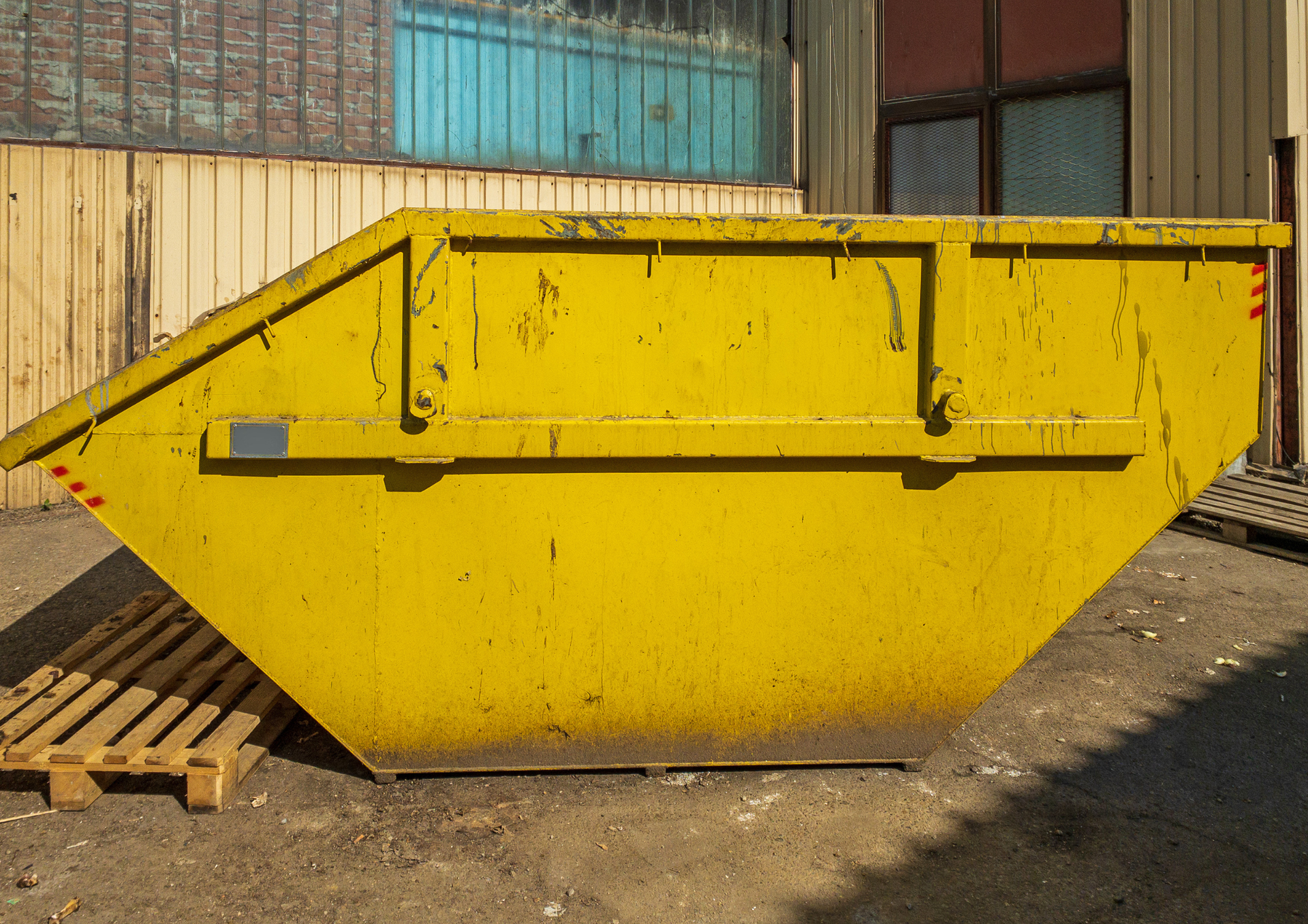

Why the Right Skip Hire Size Matters for Your Home Clearance Project
Clearing a property can involve anything from removing a few unwanted household items to dealing with waste from a complete renovation. The amount and type of material can vary considerably, which makes choosing the correct container an important part of planning the work. Arranging skip hire with the likely waste volume in mind can help homeowners, landlords, surveyors and those responsible for residential or commercial properties organise a clearance more effectively.
Choosing an option that is too small may mean the available capacity is used sooner than expected, while selecting something unnecessarily large could leave customers paying for space they do not need. The right choice depends on the scale of the clearance, the materials being removed, available space at the property and how the work will progress.
In Worcester, this can be particularly relevant for projects involving homes with restricted driveways, properties on established residential streets and commercial premises where access needs to be considered carefully. The same principles apply elsewhere: understanding the project before arranging waste removal can make the entire process more straightforward.
Understanding Which Size Suits the Scale of Your Clearance
Different projects produce very different quantities of waste. A small bedroom clearance cannot be approached in exactly the same way as a complete property refurbishment, so estimating volume before work begins is useful. Understanding the available skip sizes can help customers match capacity more closely to the work being undertaken.
Small Household Clearances
- Decluttering a spare room, clearing cupboards or removing unwanted household items may only generate a relatively modest amount of material.
- Smaller containers can be useful where the quantity is limited and available placement space is restricted.
- Separating items that can be reused, donated or recycled before disposal can also reduce the amount of capacity required.
- Looking at the entire clearance rather than one room at a time can provide a more realistic estimate of the final waste volume.
Garden and Outdoor Work
- Garden tidy-ups can generate branches, hedge cuttings, old fencing, soil and other bulky materials that occupy space quickly.
- Waste that appears manageable when spread around a garden can require considerably more capacity once gathered together.
- Larger landscaping work should be assessed carefully, particularly where heavy or dense materials are involved.
- Customers should explain the type of garden material involved when making arrangements so suitable guidance can be provided.
Renovation and Refurbishment
- Kitchen and bathroom projects can produce cupboards, flooring, fittings, packaging and building materials.
- Removing internal fixtures or completing several rooms at once generally creates more waste than straightforward household decluttering.
- Planning capacity before contractors begin work can help prevent discarded materials from taking over valuable working space.
- Where several stages of work are involved, consider the likely waste generated across the complete project rather than only the first stage.
Larger Property Clearances
- Full-house clearances, landlord projects and extensive refurbishments can create substantial quantities of mixed material.
- Surveyors and property managers may also need to consider waste left behind across garages, sheds, gardens and outbuildings.
- Commercial clearances can involve furniture, fixtures, packaging and general non-hazardous material from several areas of a property.
- Assessing the complete site before booking makes it easier to choose capacity based on the actual scope of the clearance.
A sensible estimate does not need to be exact, but it should account for all areas included in the work. Thinking about waste before the project starts reduces the chance of discovering halfway through that the chosen container cannot accommodate everything that needs to be removed.
How Different Types of Waste Affect the Space You Need
Volume is not determined purely by the number of items being discarded. The shape, weight and composition of waste can significantly affect how efficiently available space can be used. A clearance involving lightweight household contents presents different requirements from one involving renovation debris, timber or bulky furniture.
This is why skip bins should be selected according to both the quantity and nature of the material. A collection of dismantled cupboards and flat timber may use space efficiently, whereas bulky furniture and irregular items can leave gaps that reduce usable capacity. Thinking about how materials will fit can therefore provide a better estimate than simply looking at the waste while it is still spread around the property.
Household clearances often contain a mixture of furniture, fittings, boxes and general unwanted items. Before disposal begins, it can be useful to separate anything that will be kept, reused or donated. This gives a clearer picture of what actually needs removing and can prevent usable items from unnecessarily taking up capacity.
Renovation waste requires a different approach. Timber, old units, flooring and other building materials may be heavier and more difficult to arrange efficiently. Customers should explain what they expect to dispose of when making an enquiry, particularly if a project involves dense materials or anything that may require specific handling.
Garden projects present another challenge because branches and vegetation can appear to occupy a large volume when loosely stacked. Cutting suitable material into manageable sections before loading can make better use of available space. However, customers should always follow the provider's guidance regarding what can be placed inside the container.
Loading also deserves consideration. Items should remain within permitted limits rather than being piled beyond the container's capacity. An organised approach from the beginning helps make use of the available space without creating difficulties when collection is required.
For homeowners and landlords, this planning can make a clearance less stressful. For surveyors, local authorities and those managing larger residential or commercial properties, understanding the waste stream can also make it easier to coordinate disposal with contractors, occupants and other stages of the work.
Planning Placement, Access and Collection Before Booking
Choosing the appropriate capacity is only one part of arranging skip hire successfully. Customers also need to consider where the container will be positioned, whether a delivery vehicle can reach the location and how long the clearance is expected to take. Planning these practical details in advance can prevent avoidable disruption.
Check the Available Space
- Measure the intended placement area rather than relying on a visual estimate.
- Consider whether gates, walls, parked vehicles or other obstacles could restrict access.
- Driveways can provide a convenient location where suitable, but there must still be sufficient room for delivery and collection.
- Commercial properties should consider whether the proposed position could interfere with normal site activity.
Consider Vehicle Access
- Delivery vehicles require suitable access and manoeuvring space.
- Narrow streets, parked cars and restricted entrances may need to be discussed before the booking is confirmed.
- Worcester includes a mixture of residential roads, commercial areas and surrounding communities, so site conditions can vary considerably.
- Providing clear information about access helps the provider understand the location before arrival.
Think About Placement Requirements
- A container positioned on private property may involve different considerations from one placed on a public road.
- Customers should establish whether additional arrangements or permissions may be necessary for their intended location.
- Surveyors, landlords and property managers should consider how placement could affect occupants, contractors and neighbouring properties.
- The most convenient position should also allow waste to be loaded without creating unnecessary obstruction.
Plan the Collection
- Consider how long the clearance is realistically expected to take rather than automatically choosing the shortest possible period.
- Renovations can change as work progresses, so allowing an appropriate timeframe can make planning easier.
- Once the work is complete, an organised collection helps restore valuable space around the property.
- Clear communication about timing allows customers and providers to coordinate the final stage efficiently.
Planning these details before booking is particularly useful for busy residential locations and commercial sites. It creates a clearer understanding of what is required and gives customers an opportunity to address potential access issues before the delivery vehicle arrives.
Comparing Overall Value Rather Than Capacity Alone
The physical size of the container is important, but it should not be the only consideration when comparing providers. Service arrangements, hire duration, delivery, collection and communication can all influence whether a quotation represents suitable value for the project.
When looking at skip hire prices, customers should compare what is actually included rather than focusing entirely on the headline figure. Two quotations may initially appear similar but cover different hire periods, capacities or arrangements. Asking straightforward questions before booking makes comparisons more meaningful and reduces the likelihood of misunderstandings later.
Clear communication is particularly valuable when customers are uncertain about the amount of waste they will generate. A provider should be able to discuss the nature of the project and explain suitable options without making the decision unnecessarily complicated. Providing accurate information about the property, access and materials can also help customers receive more relevant guidance.
Reliability matters as well. A well-organised delivery allows clearance work to begin as planned, while a coordinated collection prevents a full container from remaining at the property longer than necessary. For landlords preparing accommodation between tenancies or commercial customers working to a refurbishment schedule, timing can be an important practical consideration.
Customers should also think about how waste is managed after collection. Responsible handling and appropriate recycling practices form part of a professional waste management service and should be considered alongside convenience and price.
The cheapest quotation is not automatically poor value, just as a higher figure does not automatically indicate better service. The more useful approach is to compare like for like. Consider capacity, hire duration, communication, delivery arrangements, collection procedures and the provider's approach to responsible waste management.
Ultimately, choosing the right service involves balancing capacity with the wider requirements of the project. A clear quotation and realistic assessment of the work can provide greater confidence before the clearance begins.
Choosing the right container size can make a noticeable difference to how smoothly a property clearance progresses. The best option depends on more than simply whether a project appears small or large. Waste type, volume, site access, placement and the duration of the work all deserve consideration before a booking is made.
For a household decluttering project, a modest capacity may be sufficient. Renovations, garden improvements, landlord clearances and larger commercial projects may require considerably more space. Assessing the complete project before work starts provides a better basis for making that decision.
Good planning also helps prevent practical difficulties. Checking the intended placement area, considering vehicle access and understanding collection arrangements can make the process easier for customers, contractors and anyone else using the property.
For customers arranging
skip hire, the objective should be to select a practical solution that matches the actual requirements of the clearance rather than simply choosing the smallest or largest available option. Taking a measured approach can help keep waste organised, maintain usable working space and make the final removal stage considerably easier.
Budget Skip Hire Worcester provides a straightforward way for homeowners, landlords, surveyors, local authorities and those responsible for residential or commercial properties to arrange waste removal for clearances and improvement projects. We focus on clear communication so customers can explain the scale of their project, expected waste, access conditions and preferred arrangements before making a booking.
For people searching for skip hire near me, working with a provider that understands local requirements can make planning easier. Our approach is centred on helping customers identify an appropriate solution while keeping delivery and collection arrangements clear and manageable. Whether the work involves a household clearance, garden project, refurbishment or a larger property, we aim to provide practical guidance that supports an organised waste removal process from beginning to end.
Check out our latest X update on why choosing the right
skip hire size matters for a smooth and efficient home clearance project!
You might also like