
Copy of What Size Should You Hire a Skip for Household Waste Removal Today?
Planning waste removal involves more than simply choosing a container and arranging delivery. The type of material being removed, the amount produced, the space available for placement and the overall scale of a project can all influence the most suitable option. Understanding these factors can make comparing skip hire prices easier and help customers choose a service that represents appropriate value without paying for capacity they are unlikely to use.
For homeowners, waste may come from decorating, clearing a loft, renovating a kitchen or improving a garden. Landlords may need to manage rubbish between tenancies, while surveyors and local authorities can be responsible for projects involving considerably larger volumes. Commercial properties also have varied requirements, from office clearances to building refurbishments. Each situation benefits from careful planning before a booking is made.
Waste type is particularly important because different materials have different handling and disposal requirements. Skip capacity matters for similar reasons. A container that is too small could require further arrangements, while one that is significantly larger than necessary may not provide the best value. By estimating waste carefully, considering accessibility and discussing project requirements before delivery, customers can make more informed decisions and organise waste removal with fewer complications.
How Different Waste Types Affect Your Requirements
The materials produced during a project can influence how waste removal should be organised. Understanding what will be discarded before choosing a skip makes it easier to select an appropriate service and avoid problems once work is underway.
Household Waste
- General household clearances can include furniture, packaging, old household items and other unwanted materials.
- The amount produced can vary considerably depending on whether one room or an entire property is being cleared.
- Sorting items before loading can provide a clearer picture of the capacity required.
- Homeowners should identify anything that may require separate disposal before the skip arrives.
Garden Waste
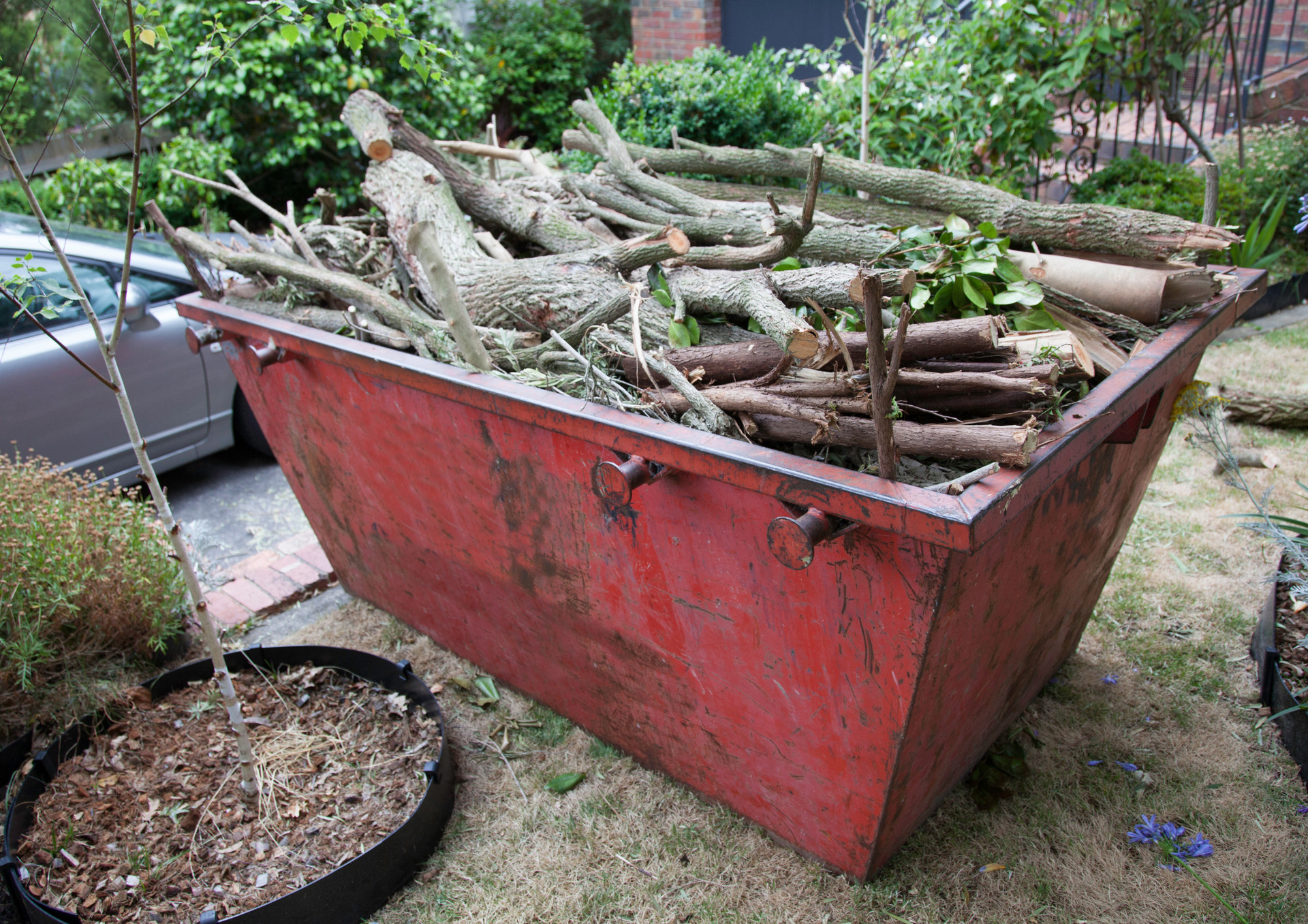
- Branches, plants, soil and other garden materials can take up more space than expected.
- Cutting larger vegetation into manageable sections can make more efficient use of available capacity.
- Landscaping projects should be assessed carefully because soil and similar materials can become particularly heavy.
- Estimating the amount of waste before work begins helps customers avoid selecting an unsuitable container.
Renovation Materials
- Property improvements can generate timber, old fittings, tiles, plasterboard and other building-related materials.
- Kitchen and bathroom projects often produce a mixture of bulky and heavy waste.
- Customers should discuss the materials they expect to remove when arranging their booking.
- Separating certain materials where appropriate can support more organised waste handling.
Commercial Waste
- Offices, shops and other commercial premises may generate furniture, packaging, fixtures and refurbishment materials.
- Larger clearances benefit from planning waste removal alongside the main project schedule.
- Keeping access routes clear can make loading more straightforward.
- Commercial customers should estimate both the type and quantity of material before choosing a service.
The nature of the waste is therefore an important consideration when comparing skip prices, as two projects producing similar volumes may still have different requirements depending on what is being discarded. Providing accurate information when requesting a quotation allows the provider to recommend an option suited to the work rather than relying on a general estimate.
Why Container Capacity Matters When Planning Waste Removal
Choosing capacity carefully is one of the most important parts of organising a waste removal project. A small household clearance and a substantial commercial refurbishment clearly do not produce the same amount of material, so using the same container for both would rarely be practical.
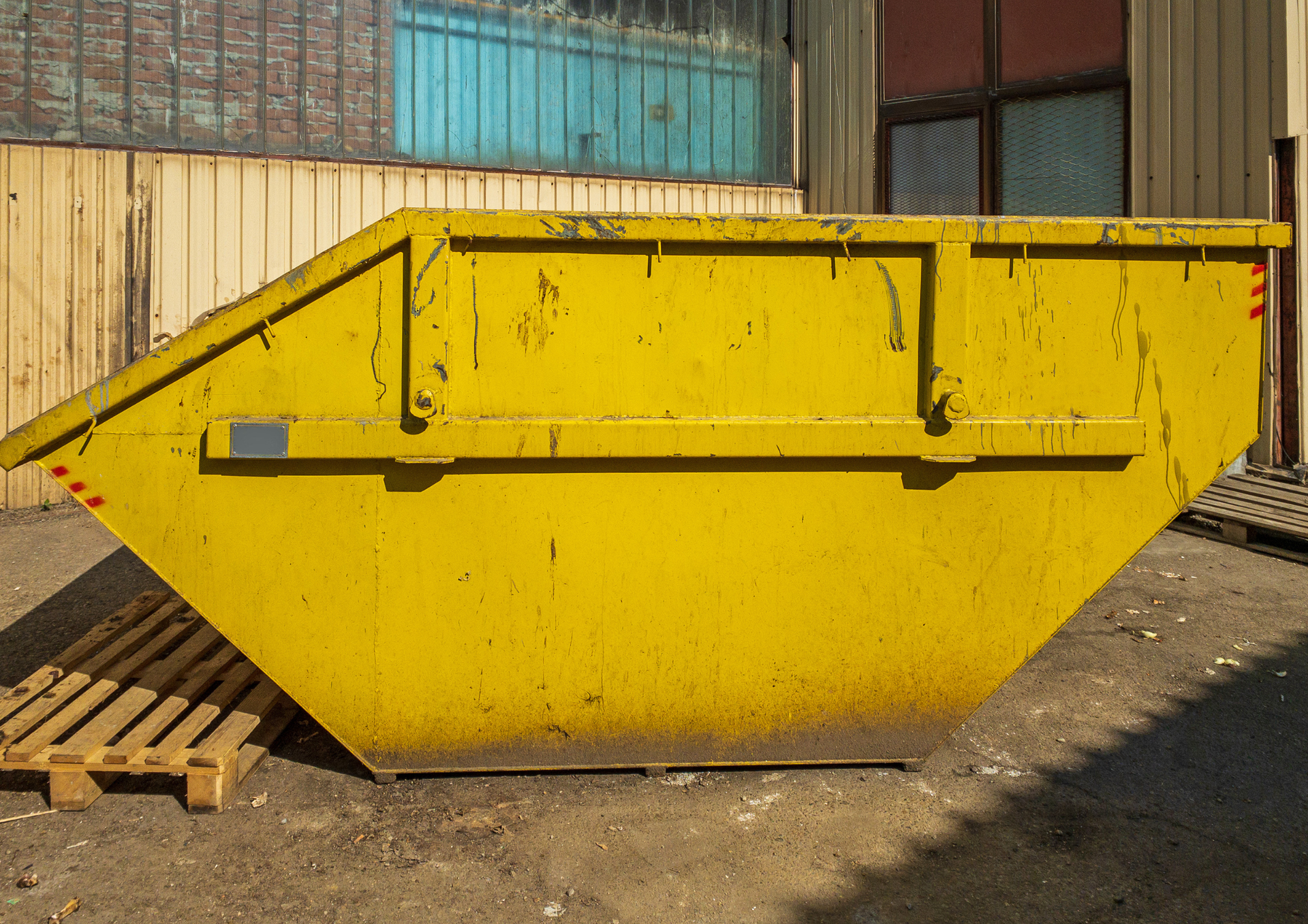
Smaller options can be useful where waste volumes are limited or where space is restricted. A household decluttering project, minor decorating work or a small garden tidy-up may not justify a large container. Choosing modest capacity in these circumstances can provide enough room for the expected waste while avoiding unnecessary use of driveway or site space.
Medium-sized containers can suit projects where the amount of material is more substantial. Kitchen improvements, bathroom refurbishments, larger garden projects and general property clearances can produce waste steadily over several days. Having sufficient capacity available allows materials to be removed from working areas as the project progresses.
Larger containers are generally considered when substantial quantities of waste are expected. Commercial refurbishments, building projects and extensive property clearances may require greater capacity to prevent waste from accumulating. However, customers should not automatically assume that the largest available option is the most suitable. The weight and type of material, available placement space and access for delivery vehicles all need consideration.
Comparing skip sizes and prices can help customers understand how capacity relates to overall value, but size should always be considered alongside the actual requirements of the project. Selecting a larger container simply to avoid estimating waste may result in unused space, while choosing one that is too small can interrupt work if additional arrangements become necessary.
Estimating waste does not have to be exact. Looking at the scale of the project, identifying the main materials being removed and considering how quickly waste will accumulate can provide a useful starting point. An experienced provider can then use this information to suggest an appropriate option.
Customers should also think about where the container will be positioned. A large capacity may appear attractive, but it will not be practical if there is insufficient room for safe delivery and placement. Driveway dimensions, gates, parked vehicles, overhead restrictions and access roads can all influence what can realistically be accommodated.
Planning capacity alongside waste type therefore provides a more balanced approach. Instead of focusing on size alone, customers can choose an option that fits the physical site, anticipated volume and practical demands of the work.
Choosing a Suitable Skip for Domestic and Commercial Projects
Different properties and projects create different waste management requirements. Matching the container to the work being undertaken helps maintain organised surroundings and reduces the likelihood of having to change arrangements once the project has started.
Small Household Projects
- Decluttering bedrooms, clearing cupboards and completing minor DIY tasks may only generate modest amounts of waste.
- Smaller capacity can be easier to position where driveway or outdoor space is limited.
- Estimating the amount of rubbish before booking helps avoid unnecessary unused space.
- Customers should consider whether bulky items will occupy more room than their quantity initially suggests.
Renovation Projects
- Kitchens, bathrooms and other refurbishment work can create mixed materials over several stages.
- Waste should be estimated according to the entire project rather than only the first stage of work.
- Leaving reasonable capacity for later materials can reduce interruptions.
- Access for builders, residents and delivery vehicles should be considered when deciding where the container will be placed.
Rental and Managed Properties
- Landlords may require waste removal following maintenance work, refurbishment or a property clearance.
- Surveyors and property managers may need solutions appropriate for larger or more complex sites.
- Planning delivery and collection around contractors can help maintain an organised schedule.
- Clear communication between everyone involved reduces the chance of access problems.
Commercial and Public-Sector Work
- Offices, retail properties and other commercial sites can produce significant waste during clearances and refurbishments.
- Local authority projects may require careful coordination around public access and working schedules.
- Larger projects benefit from estimating waste volumes before work begins rather than reacting once containers are full.
- Delivery and collection should be incorporated into the wider project plan.
Understanding the likely skip hire cost involves considering all these practical requirements rather than focusing solely on container capacity. The most appropriate choice is usually the one that accommodates expected waste efficiently while remaining suitable for the available site and project timetable.
Planning Ahead to Avoid Unnecessary Waste Removal Expenses
Good planning can make waste removal considerably easier. Before requesting a quotation, customers should consider what they intend to dispose of, how much waste the project is likely to generate, where a container could be positioned and how long it may be required. These details give providers a clearer understanding of the job and allow recommendations to be based on realistic requirements.
One common mistake is estimating waste only after work has already started. By this point, rubbish may have accumulated around the property and customers may feel pressured to make a quick decision. Assessing the project beforehand allows more time to compare suitable options and organise delivery around the intended start date.
It can also be useful to separate genuine waste from items that may be reused, donated or handled through another appropriate route. A property clearance, for example, may contain furniture or household items that do not necessarily need to occupy space in a skip. Identifying these items beforehand can provide a more accurate estimate of the remaining waste volume.
Customers searching for skip hire prices near me should compare what is included in a quotation rather than judging providers solely by the headline figure. Delivery arrangements, collection procedures, hire periods and any relevant additional requirements should be understood before a booking is confirmed. A quotation that appears inexpensive initially may not necessarily represent better value if the service does not match the needs of the project.
Access planning is equally important. Customers should consider whether delivery vehicles can reach the intended location and whether there is sufficient room to position the container without creating unnecessary inconvenience. Where placement on private property is not possible, different arrangements may need to be considered depending on local requirements.
Timing can also affect efficiency. Having a container delivered too early may mean it occupies valuable space before it is needed, while arranging it too late can allow waste to build up. Coordinating delivery with the start of a clearance, renovation or building project helps make better use of the hire period.
For larger projects, waste removal can be incorporated into the overall schedule. Contractors, property managers and commercial customers can identify when particular stages are likely to generate the greatest amount of material and arrange their waste management accordingly. This approach supports cleaner working areas and reduces the chance of rubbish obstructing access.
Careful preparation ultimately allows customers to make decisions based on the needs of the project rather than urgency. Understanding the waste, capacity, access and timing requirements before booking creates a more straightforward process from delivery through to collection.
Understanding how waste type and container capacity influence
skip hire prices can help customers make better-informed decisions when organising waste removal. The cheapest-looking option is not automatically the most economical, just as the largest container is not necessarily the most practical. Value comes from matching the service to the actual requirements of the project.
Homeowners can benefit from estimating waste before starting a clearance or renovation, while landlords can coordinate disposal around maintenance and property management schedules. Surveyors, local authorities and commercial customers may need to consider larger quantities, multiple types of material and more complicated access requirements. In every case, planning ahead provides a clearer basis for choosing an appropriate solution.
Waste type, expected volume, placement space and project duration should therefore be considered together. Customers who provide accurate information when requesting a quotation are better placed to receive relevant guidance and avoid unnecessary changes later.
Whether a project involves a small residential clearance or substantial commercial work, organised waste management contributes to a cleaner and more efficient working environment. Taking a little time to assess requirements before booking can simplify the process and help ensure that the chosen option provides suitable capacity without unnecessary expense.
Budget Skip Hire Worcester provides practical waste removal solutions for homeowners, landlords, surveyors, local authorities and commercial customers throughout Worcester and the surrounding area. We understand that projects vary considerably, which is why our approach focuses on establishing the type and approximate volume of waste, available access and expected project requirements before suitable arrangements are made.
Customers comparing skip hire prices need clear information and practical guidance rather than unnecessary complications. We aim to make the booking process straightforward by helping customers consider appropriate capacity, delivery arrangements and collection requirements for their particular project.
Our local approach is suitable for household clearances, property improvements, landlord projects, commercial refurbishments and other work where organised waste removal is required. By considering the individual circumstances of each job, we help customers select a practical option that supports efficient waste management from delivery through to collection.
Check out our latest X update explaining how waste type and skip size can influence
skip hire prices for different projects.
You might also like