
Skips for Safe Disposal of Non-Hazardous Building Waste Projects
Construction, renovation, refurbishment, and demolition projects all generate waste that must be managed carefully. Whether working on a residential property, commercial premises, public building, or development site, using skips for waste collection helps maintain organisation, improve site safety, and support responsible waste management throughout the project.
Building waste can accumulate quickly, creating obstacles that affect productivity and site accessibility. Materials such as bricks, concrete, timber, plasterboard, tiles, soil, and packaging often require structured disposal arrangements to prevent unnecessary disruption.
Understanding Non-Hazardous Building Waste and Its Challenges
Non-hazardous building waste covers a broad range of materials generated during construction and refurbishment activities. Although these materials do not typically pose significant environmental or health risks when managed correctly, they can still create practical challenges if left unmanaged.
Common examples include:
- Bricks and rubble
- Concrete fragments
- Tiles and ceramics
- Soil and hardcore
- Timber and wood offcuts
- Plasterboard
- Packaging materials
- Plastic sheeting
- Metal components
- General construction debris
The volume of waste generated often depends on the scale and nature of the project. Small home improvements may produce manageable quantities, while larger commercial developments can generate significant amounts over extended periods.Without a structured waste management plan, materials can quickly accumulate and create several issues:
- Reduced site accessibility
- Increased trip hazards
- Delays to project progress
- Difficulty separating waste streams
- Inefficient use of available space
- Poor site presentation
Managing waste from the outset helps minimise these problems and supports smoother project operations.
The Importance of Safe Waste Management on Building Sites
Safe waste management extends beyond simple disposal. It contributes to maintaining organised workspaces and reducing avoidable risks associated with cluttered environments.
Construction sites often involve multiple trades working simultaneously. Electricians, plumbers, roofers, decorators, carpenters, and general builders may all require access to different parts of a property. Excess waste can obstruct movement and complicate daily activities.
Regular waste removal helps create:
- Clear access routes
- Safer working areas
- Improved material storage
- Better workflow efficiency
- Easier site inspections
- Enhanced project organisation
Property owners also benefit from maintaining tidier environments during refurbishment works. Neighbours, visitors, tenants, and stakeholders often appreciate projects that demonstrate good housekeeping practices.
Many organisations now place increased emphasis on waste management as part of broader sustainability objectives. Structured disposal processes support responsible resource management and help reduce unnecessary environmental impact.
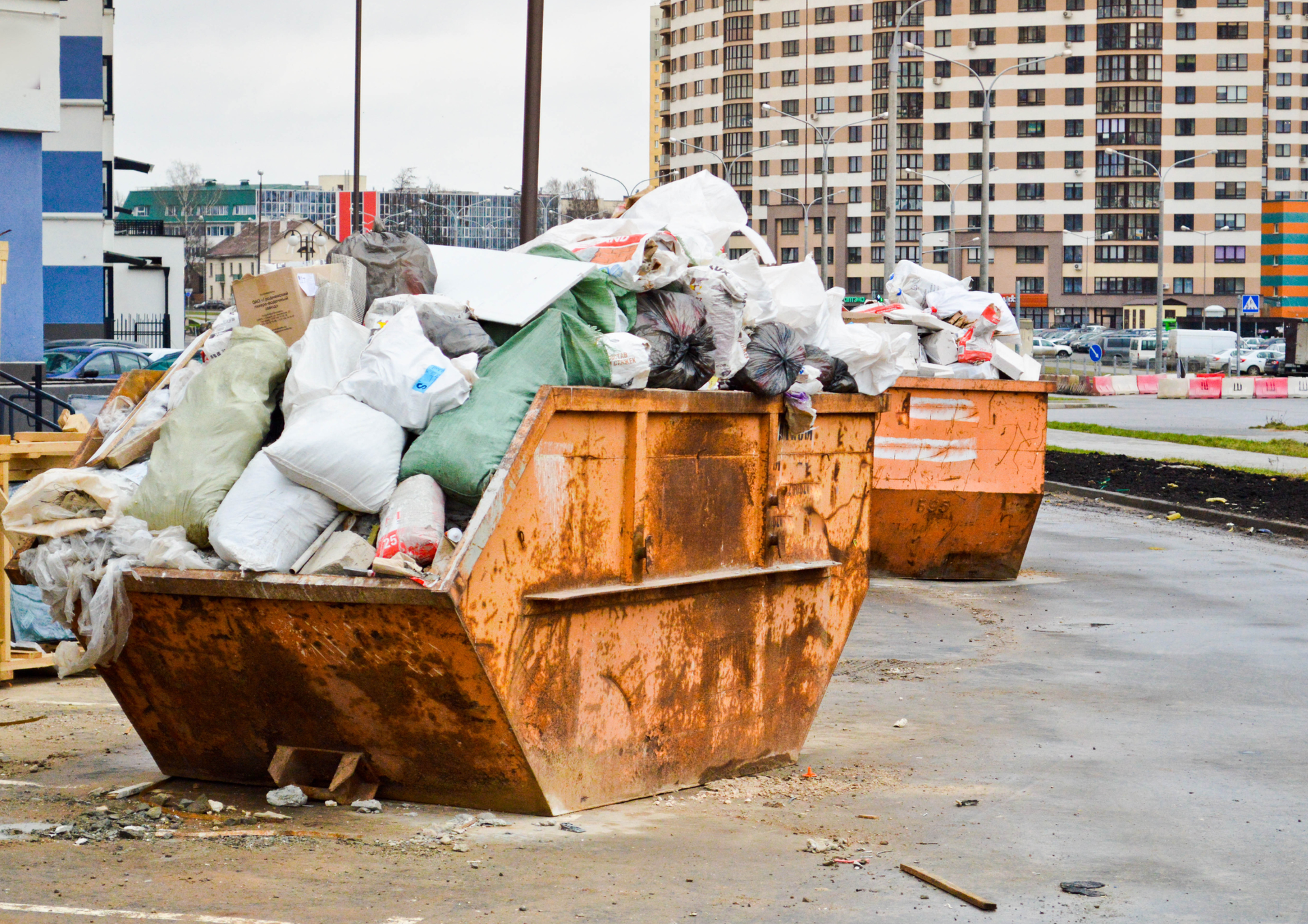
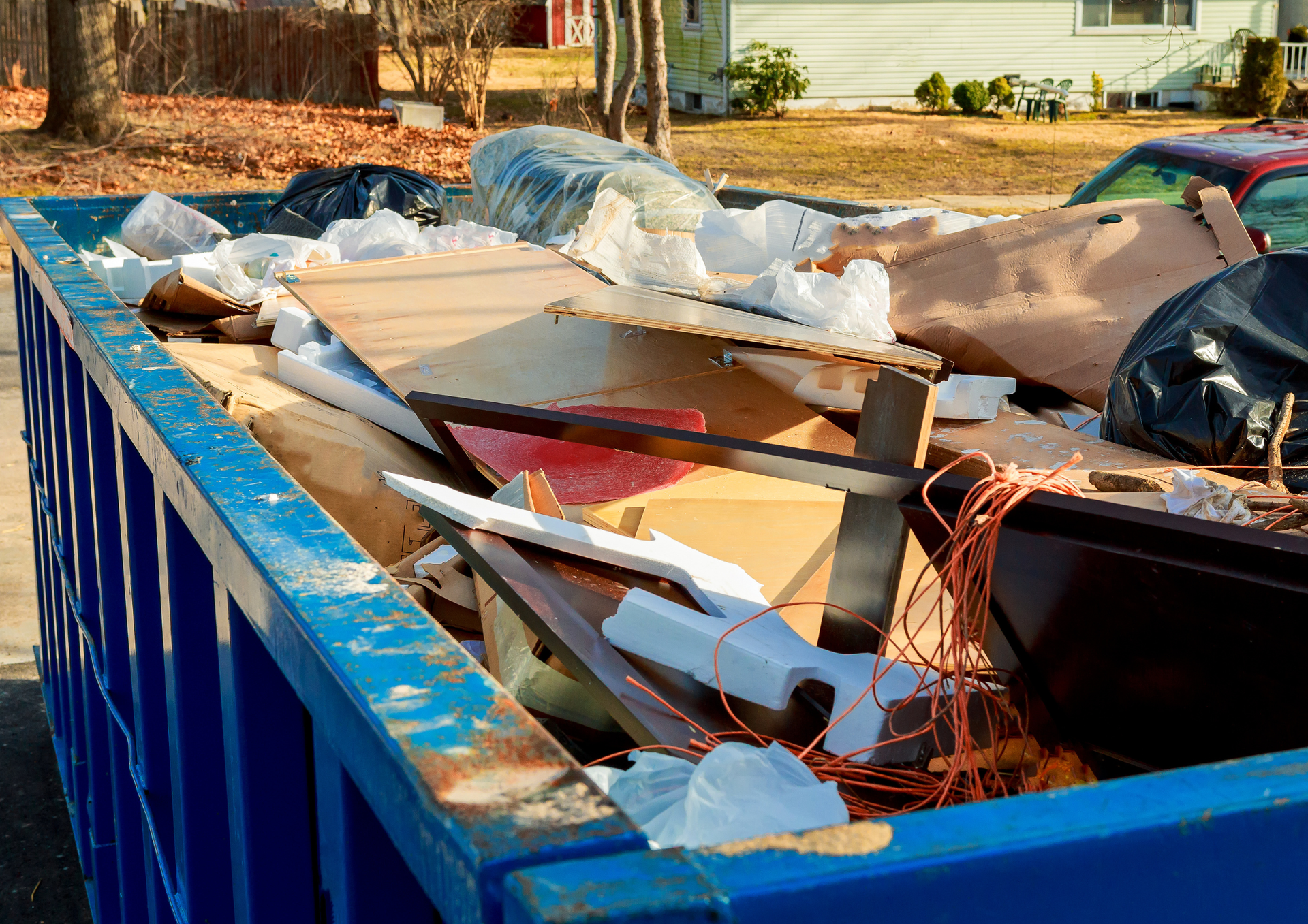
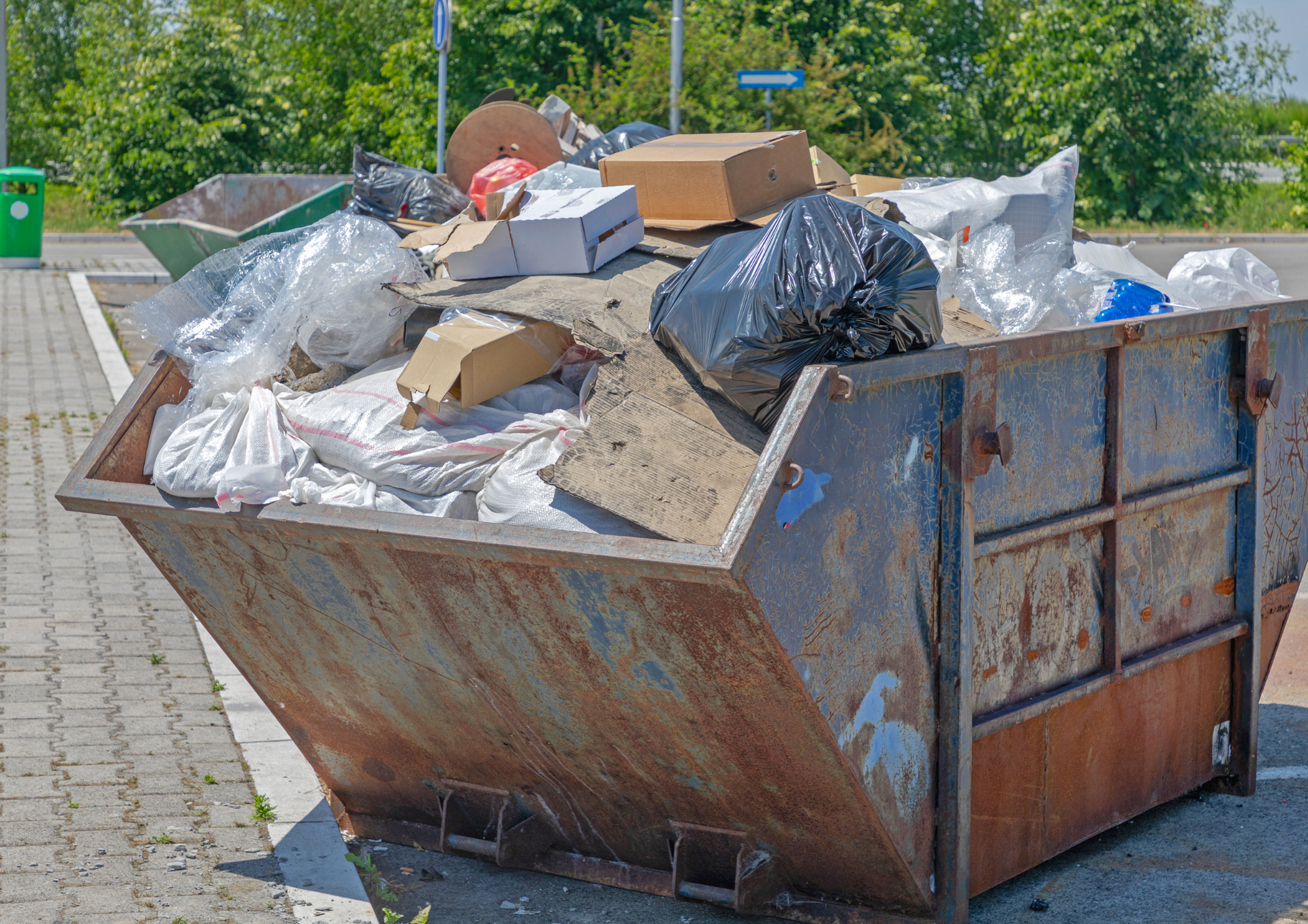
For projects requiring larger waste containment solutions, many contractors choose to use skips to centralise waste collection and simplify site management throughout the construction process.
Planning Waste Disposal Throughout a Construction Project
Successful waste management begins long before work starts. Early planning helps identify likely waste streams and ensures appropriate disposal arrangements are available when needed.Several factors influence waste generation:Different projects create different waste materials.
Examples include:
- Kitchen renovations
- Bathroom refurbishments
- Loft conversions
- Property extensions
- Roofing projects
- Commercial fit-outs
- Structural alterations
- Landscaping works
Each activity produces unique waste streams requiring appropriate handling.
Site Access
Access considerations can affect waste collection arrangements.
Factors may include:
- Narrow roads
- Restricted parking
- Shared access points
- Urban environments
- Rural locations
- Multi-occupancy buildings
Evaluating these factors early can help prevent complications later in the project.
Waste Volume Estimates
Estimating expected waste volumes allows project managers to select suitable disposal solutions. Underestimating waste requirements may lead to overflow issues, while overestimating can result in underutilised capacity.
Regular assessments throughout the project help ensure disposal arrangements remain appropriate as work progresses. For those planning construction work, it is often beneficial to order a skip before waste begins accumulating so disposal facilities are available from the start.
Supporting Efficient Building Projects Through Structured Waste Removal
Efficient waste removal contributes significantly to overall project performance. Construction activities often operate to strict schedules, and delays can create wider complications for contractors, clients, and stakeholders.
When waste is removed in a structured manner, projects can benefit from:
- Improved productivity
- Better site organisation
- Reduced congestion
- Easier material handling
- Enhanced professional presentation
- Simplified project management
Waste containment solutions provide a central location for collecting materials throughout ongoing works. This reduces the need for multiple trips to disposal facilities and allows site teams to focus on project delivery.
Many property owners now choose to skip online booking systems because they offer a straightforward method for arranging waste management services while coordinating project schedules.
Whether managing residential improvements or large-scale commercial developments, organised waste removal remains a valuable component of successful project planning.
The role of properly selected skip's capacity becomes particularly important when dealing with changing waste volumes across different project phases, helping maintain efficiency from start to finish.
Budget Skip Hire Worcester
is committed to providing dependable waste management solutions for homeowners, landlords, surveyors, local authorities, contractors, and commercial property managers.
Reasons customers choose our services include:
- Reliable waste collection arrangements
- Support for residential and commercial projects
- Flexible solutions for varying project sizes
- Straightforward booking process
- Professional and helpful customer service
- Focus on organised waste management
- Commitment to responsible disposal practices
- Practical support throughout project durations
Our goal is to help customers maintain cleaner, safer, and more organised project environments by providing practical skips for waste collection, helping ensure non-hazardous building waste is managed efficiently and responsibly throughout every stage of a project.
Don't Miss Out on X: Keep construction sites cleaner with reliable
skips.
You might also like