
Skips for Roofing Jobs and Heavy Waste Removal Tips Guide Advice
Roofing work often creates large volumes of broken tiles, felt, timber, insulation, packaging, and general construction debris. Keeping waste contained from the start helps maintain a safer and more organised site for everyone involved.
Whether the project involves a small repair or a full replacement, Skips provide a practical way to collect and remove heavy materials without repeated trips to disposal centres. Budget Skip Hire Worcester supports domestic and commercial customers with dependable waste solutions suited to projects of many sizes.
Why Roofing Projects Need Proper Waste Planning
Many people focus on labour, materials, and deadlines, but waste management is just as important. Old roofing materials can quickly pile up, block access routes, and create trip hazards. If debris is left loose around a property or site, it can slow progress and make daily tasks more difficult.
A structured waste plan helps teams work more efficiently. Instead of stopping regularly to move rubbish by hand or load small vehicles, materials can be placed directly into Skips on site. This keeps the working area clearer and allows tradespeople to stay focused on the main task.
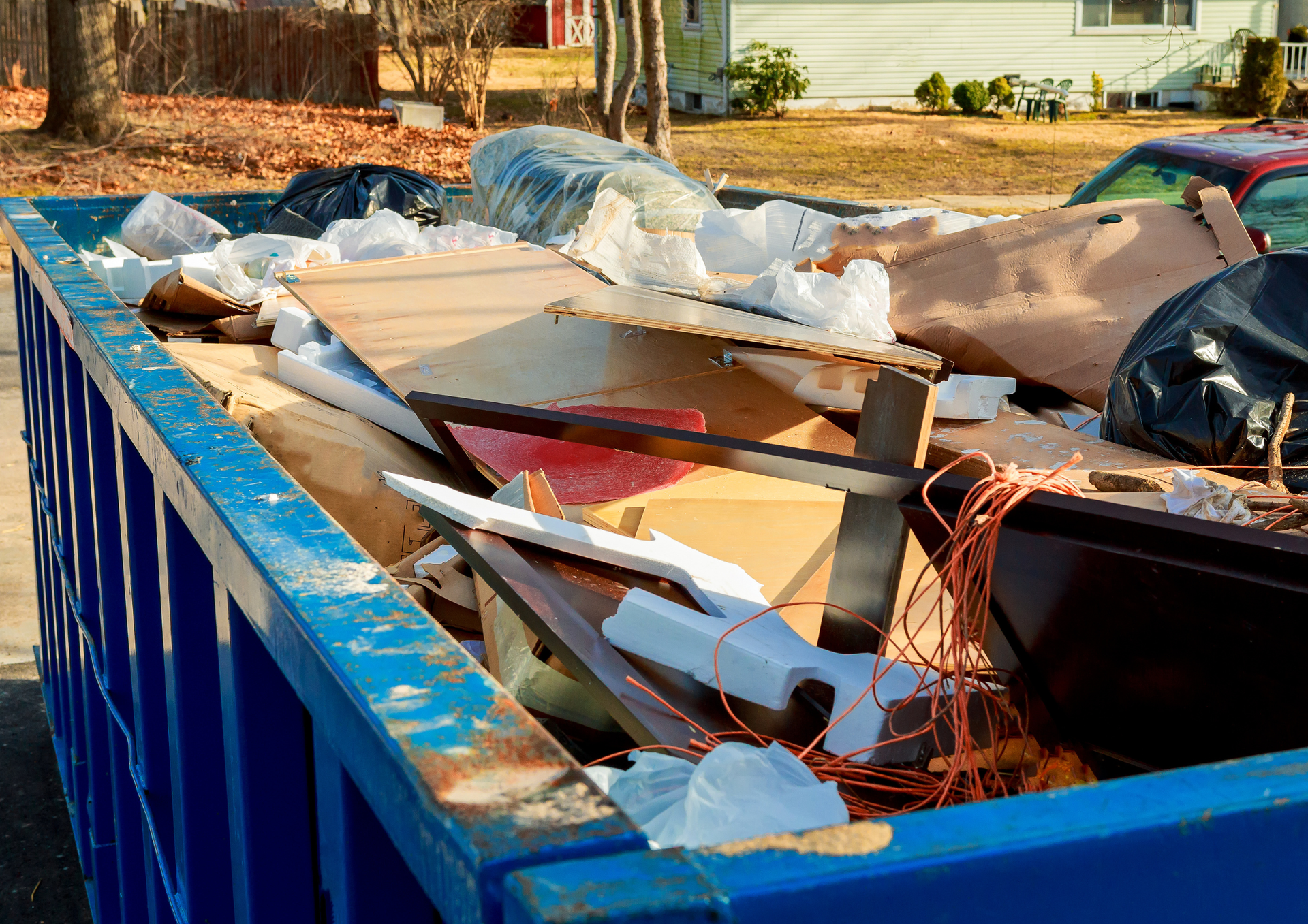
Roofing waste can include:
- Broken roof tiles and slates
- Timber battens and boards
- Felt and membrane materials
- Nails, screws, and fixings
- Packaging from new materials
- Guttering and plastics
- General mixed site waste
When these items are managed properly, the project often runs faster and with fewer interruptions. Good planning also helps reduce mess around entrances, driveways, gardens, and shared access points.
Choosing the Right Size for Heavy Materials
Selecting the correct size is important. A container that is too small may fill quickly and delay work, while one that is too large may take up more room than necessary. The best option usually depends on the scale of the roofing job and the type of waste being removed.
Smaller repairs may only create limited debris, such as a few damaged tiles or sections of felt. Larger projects, including complete roof replacements or commercial refurbishments, can generate substantial loads of rubble and timber.
Points to consider before booking:
- How much material will be removed
- Whether waste is light, mixed, or very heavy
- Available space on site
- Length of the project
- Ease of access for delivery and collection
- Whether multiple trades are sharing the same area
If you are unsure, expert guidance can help you avoid overfilling or underestimating capacity. A sensible recommendation based on your project details often saves both time and effort.
Many customers prefer to order a skip before work begins so the container is ready when materials start coming off the roof. This simple step helps prevent waste building up around the property.
Safe Loading and Efficient Use of Space
Loading correctly is essential when dealing with heavy materials. Randomly throwing waste into a container can waste valuable space and create an unstable load. A more organised approach makes better use of capacity and supports safer collection.
Start by placing flatter and heavier items at the bottom. This creates a stronger base and prevents lighter waste from being crushed unnecessarily. Longer timber lengths should be laid neatly where possible, while loose debris can be spread evenly across gaps.
Useful loading tips include:
- Break down bulky items when safe to do so
- Spread weight evenly across the container
- Keep materials below the fill line
- Avoid blocking access around the unit
- Separate reusable items where appropriate
- Keep hazardous items out unless agreed in advance
It is also wise to think about weather conditions. Strong winds and rain can affect loose waste, packaging, and lightweight materials. Tidier loading reduces the chance of items blowing around the site. Many customers now choose to skip online because it offers a quick and convenient way to arrange delivery around project schedules.
Benefits for Domestic and Commercial Properties
Roofing waste removal is important for homes, flats, retail units, schools, offices, industrial sites, and public buildings. Every site has different needs, but organised waste management helps keep areas cleaner, safer, and easier to work in.
For homeowners, a dedicated container keeps driveways, gardens, and pathways clearer during repairs, while landlords and property managers benefit from smoother contractor access and less disruption to occupants. For commercial premises, tidy waste handling helps maintain access for staff, visitors, and deliveries.
Local authorities and surveyors also value efficient site management and professional standards. Reliable delivery and prompt collection can be especially helpful when deadlines are tight, making Skips a practical choice for everything from minor repairs to major redevelopment works.
Budget Skip Hire Worcester is committed to providing straightforward and dependable waste solutions for projects of all sizes. We understand the demands of roofing work and heavy material removal, which is why we focus on clear advice, punctual service, and practical support from booking through to collection.
Customers choose our website because we offer:
- Helpful guidance on choosing the right option
- Reliable service for domestic and commercial jobs
- Simple booking process
- Professional and friendly communication
- Suitable solutions for heavy and bulky waste
- Trusted support for projects across Worcester and beyond
When you need an efficient waste service with a professional approach, we are ready to help.
Latest Post on X:
Skips made simple for roofing projects and bulky waste!
You might also like